
ADR class 1: Explosive substances and articles
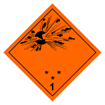
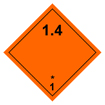
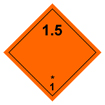
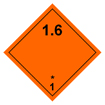
| Division | Brief description |
|---|---|
| 1.1 | Mass explosion hazard. |
| 1.2 | Projection hazard, but no mass explosion hazard. |
| 1.3 | Fire hazard and a minor blast or projection hazard, but no mass explosion hazard. |
| 1.4 | Minor explosion hazard; effects are largely confined to the package. |
| 1.5 | Very insensitive substances with a mass explosion hazard. |
| 1.6 | Extremely insensitive articles with no mass explosion hazard. |
The full classification code also includes a compatibility group. The consignor provides the correct classification and transport details.
ADR class 2: Gases
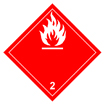
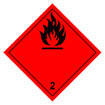
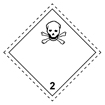
Class 2 covers gases. Hazard labeling uses label numbers including the following:
| Label number | Hazard |
|---|---|
| 2.1 | Flammable gases |
| 2.2 | Non-flammable, non-toxic gases |
| 2.3 | Toxic gases |
Oxidizing and corrosive properties are reflected in the classification and any subsidiary hazards. They are not separate ADR subclasses 2.4 or 2.5. The exact conditions follow from the UN number and the official classification.


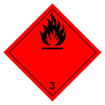
ADR class 3: Flammable liquids
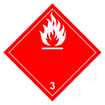
Class 3 covers flammable liquids and other substances assigned to this class under the ADR criteria. The classification follows from the properties of the substance and the applicable ADR provisions.
When requesting transport, provide the UN number, proper shipping name, hazard class and, where applicable, the packing group. An unofficial subdivision into 3.1, 3.2 and 3.3 does not replace this official information.
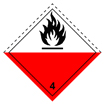
ADR class 4: Flammable solids
| Class | Division |
| 4.1 | Flammable solids. |
| 4.2 | Substances liable to spontaneous combustion |
| 4.3 | Substances which, in contact with water, emit flammable gases. |



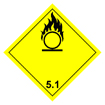
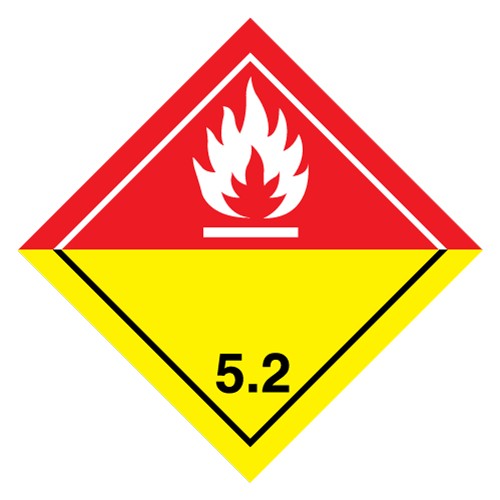
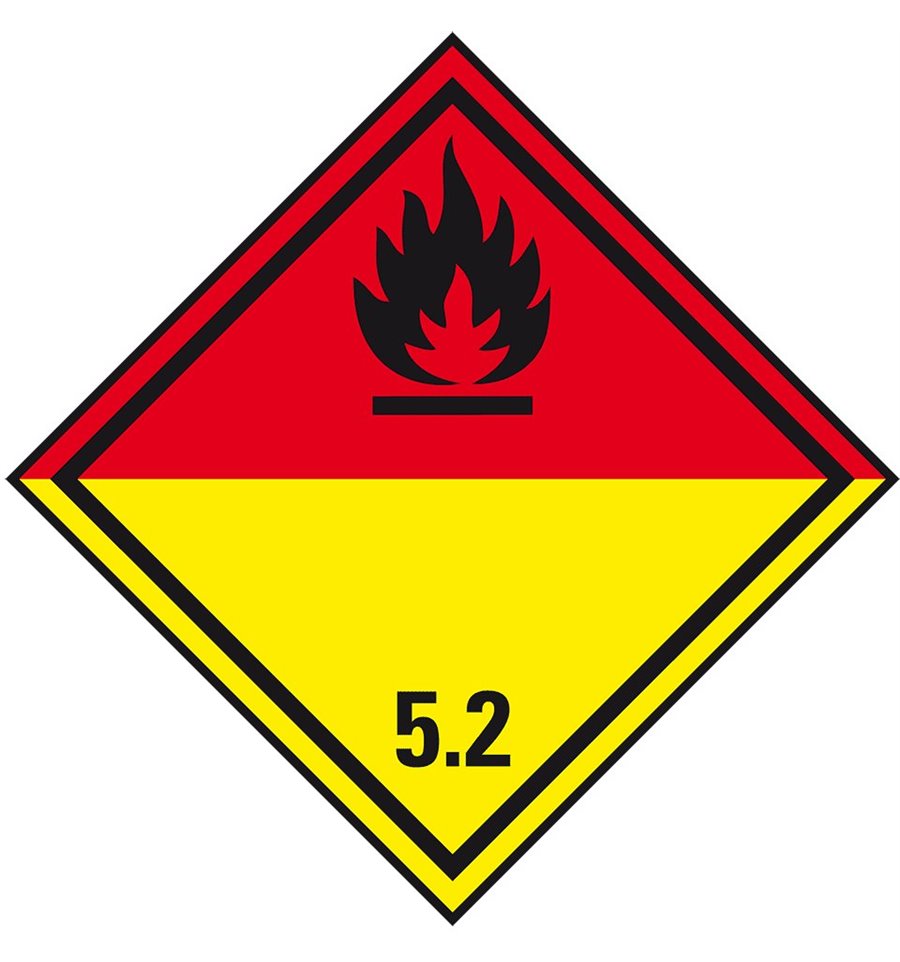
ADR class 5: Oxidizing substances
| Class | Division |
| 5.1 | Oxidizing substances |
| 5.2 | Organic peroxides |
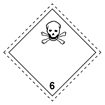
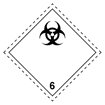
ADR class 6: Toxic and infectious substances
| Class | Division |
| 6.1 | Toxic substances |
| 6.2 | Infectious substances |
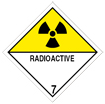
ADR class 7: Radioactive material
ADR class 7 covers radioactive material. Alpha, beta, gamma and neutron radiation are types of radiation, not ADR subclasses 7.1 to 7.4.
Relevant information for the transport assessment includes the radionuclides, activity, UN number and package type. Where applicable, the category and transport index are also required. Permit and notification obligations must be assessed separately, including for excepted packages.
View the information required for class 7 transport.
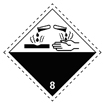
ADR class 8: Corrosive substances
Class 8 covers corrosive substances. A transport request requires the UN number, proper shipping name, packing group where applicable and any subsidiary hazards.
Acids and bases can fall within this class, but they do not form general ADR subclasses 8.1, 8.2 or 8.3. Use the official classification of the specific substance.
ADR class 9: Miscellaneous dangerous substances and articles
Class 9 covers miscellaneous dangerous substances and articles that meet the criteria of this class. Examples include certain lithium batteries and environmentally hazardous substances.
The transport conditions are determined by the UN number and the associated ADR provisions. There is no general ADR subclass 9.1 for all class 9 goods.